


NODE · LON-01|LONDON --:--:--
DC-Services — Digital Claims Services Limited
Resources · Learning Centre

DC-Services UK Articles

Technical insights regarding operational risk and documentation standards

This section of the DC-SERVICES Learning Centre hosts a curated collection of articles, technical briefings, and long-form analyses designed for institutional observers. Our content avoids speculative market commentary, focusing instead on the practicalities of asset recording, structured documentation, and the evolving requirements of supervisory oversight. These articles serve as a reference point for compliance officers, legal departments, and operational risk teams seeking to understand the intersection of traditional governance frameworks and modern digital-asset infrastructure within a strictly non-transactional environment.

UK
Jurisdiction
2014
Established
12+
Years of practice
Named
Supervisor
01 · Module

Data Integrity

Analysis of consistent record-keeping and its role in sovereign risk mitigation.

Active · Reviewed
Read governance
02 · Module

Operational Resiliency

Exploration of systems designed to withstand administrative and technical disruptions.

Active · Reviewed
Read governance
03 · Module

Administrative Standards

Examination of evolving best practices for multi-jurisdictional asset documentation.

Active · Reviewed
Read governance
04 · Module

Governance Frameworks

Detailed reviews of how structured records interface with internal compliance.

Active · Reviewed
Read governance
Resources · Body

Methodology for Critical Review

Behind every published article is a rigorous review process that mirrors our internal QA procedures. We utilize empirical data from our operational risk intelligence units to identify emerging trends in asset documentation failures and successful recovery pathways. By synthesising these observations into structured articles, we provide our clients with a sophisticated map of the administrative landscape, highlighting the importance of verified asset records in maintaining perpetual institutional memory and ensuring readiness for external audits.

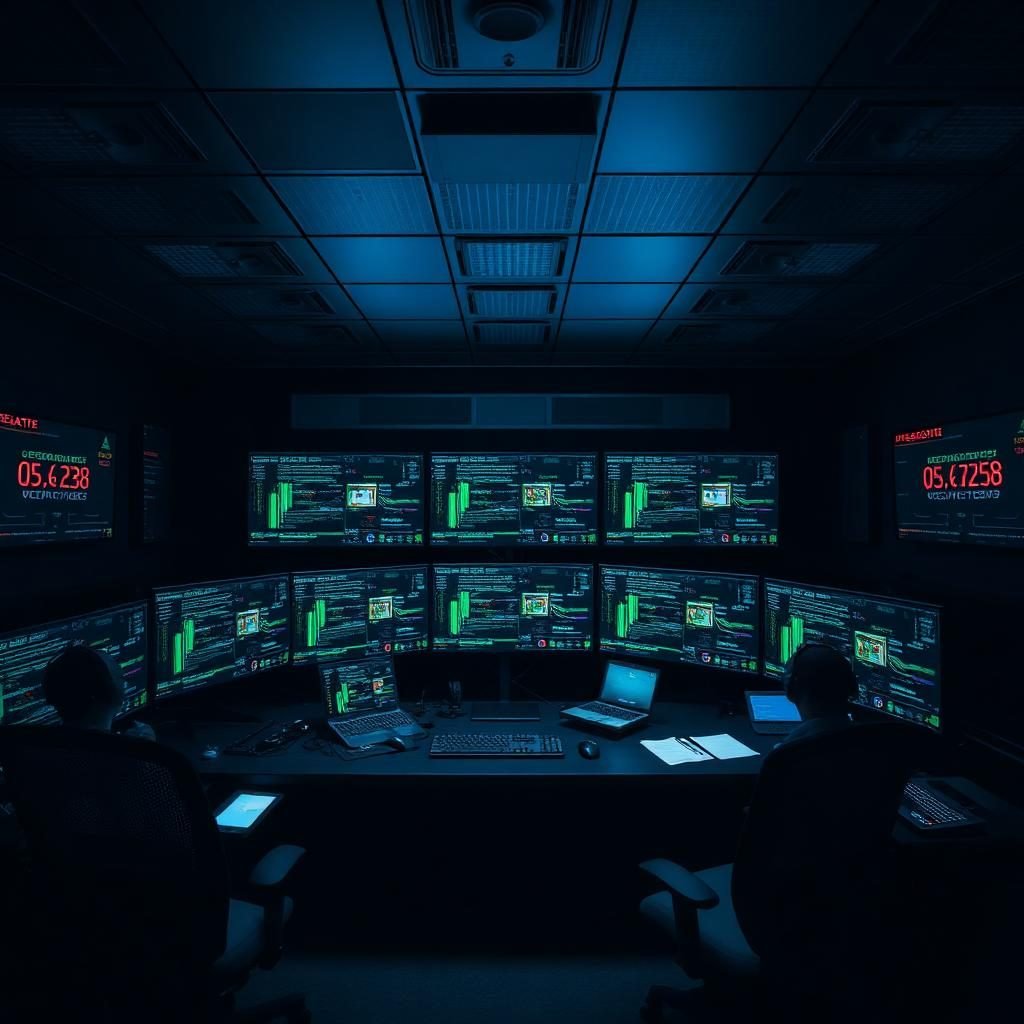
Cybersecurity operations room
Fingerprint scanner on security door
01 · Section

Evidence and Record Verification

A recurring theme in our institutional articles is the shift from trust-based to evidence-based administration. We advocate for the implementation of digital-asset records that can be independently verified without compromising security or regulatory confidentiality. Our writings detail the specific evidentiary standards required for institutional-grade documentation, providing a blueprint for how firms can enhance their supervisory QA through the deployment of static, immutable records that reflect true asset status at any given point in time.

  • Clients reviewing their own documentation
  • Advisers preparing a client brief
  • Counterparties verifying a position
01 · Module

Evidence Standards

Defining what constitutes a verifiable institutional-grade digital record.

02 · Module

Verification Protocols

Techniques for the non-invasive validation of high-value asset holdings.

03 · Module

Audit Preparation

Using structured articles to align internal records with external requirements.

04 · Module

Transparency Vectors

How clear documentation improves relations with institutional counterparties.

02 · Section

Supervisory QA Integration

DC-SERVICES articles frequently explore the intersection between third-party documentation and internal supervisory functions. We discuss how compliance officers can utilise independent asset records to bolster their risk management frameworks. By providing a third-party perspective on asset status and operational risk, our articles assist firms in demonstrating to regulators that they have maintained a robust and transparent administrative environment, free from the conflicts of interest often found in firms that also provide custody or transaction services.

  • Drafted in-house by DC-SERVICES staff
  • Cross-checked against the relevant source
  • Dated and version-tracked on every update
01 · Module

Independent Oversight

The value of non-custodial documentation in institutional supervision.

02 · Module

Regulatory Alignment

Keeping pace with evolving global standards for digital asset reporting.

03 · Module

Conflict Mitigation

Identifying and avoiding structural conflicts in asset administration.

04 · Module

Internal Controls

Mapping documentation workflows to existing corporate governance structures.

03 · Section

Strict Editorial Boundaries

It is essential to clarify that our articles are focused strictly on the documentary and operational aspects of digital sets. We do not publish price predictions, investment strategies, or tax planning guides. DC-SERVICES does not engage in trading, custody, or the management of client funds; therefore, our articles remain unclouded by the motivations of brokers or asset managers. Our role is limited to the provision of structured intelligence and record-keeping excellence, ensuring our readers receive a neutral assessment of administrative risk.

  • Quote freely with attribution
  • Use as a baseline brief for advisers
  • Pair with a Clarity Check for tailored work
01 · Module

Objective Reporting

Maintenance of aesthetic and functional neutrality in all technical articles.

02 · Module

No Advice

Strict exclusion of legal, financial, or tax-related recommendations.

03 · Module

Non-Transactional

Content is completely separated from trading or brokerage activities.

04 · Module

Operational Focus

Concentration on the infrastructure of ownership rather than value.

04 · Section

Educational Outcomes and Engagement

Readers of DC-SERVICES articles can expect to gain a deeper understanding of the operational complexities inherent in the institutional digital asset space. We invite professional stakeholders—including journalists, regulators, and advisers—to engage with our content as a primary source for understanding documentation standards. For those requiring deeper analysis or bespoke briefings tailored to their specific operational risk profile, our team is available to discuss how our documentation services can be integrated into your firm's administrative stack.

01 · Module

Knowledge Transfer

Equipping teams with the language and logic of digital-asset records.

02 · Module

Stakeholder Engagement

Facilitating informed dialogue between firms, regulators, and counterparties.

03 · Module

Professional Reference

Establishing a standard lexicon for institutional asset documentation.

04 · Module

Service Integration

Moving from theoretical articles to practical documentation solutions.

Resources · Questions and answers

Questions clients ask about this page.

Short, factual answers stated in the same wording the firm uses in every scope letter, supervisory record and rejection-register entry.

Q01

What does Articles cover at DC-SERVICES UK?

This section of the DC-SERVICES Learning Centre hosts a curated collection of articles, technical briefings, and long-form analyses designed for institutional observers.

Q02

Does Digital Claims Services Limited hold client assets or execute transactions?

No. DC-SERVICES UK is non-custodial. The firm does not take possession of client assets, does not place trades, does not act as a fund administrator and does not move funds on behalf of any party.

Q03

Does DC-SERVICES UK provide investment, tax or legal advice?

No. The firm produces structured documentation only. Investment, tax and legal advice fall outside the permitted activities and are not offered on any page of this site.

Q04

Who signs off the work that is released?

Every record passes a two-stage supervisory signoff. Stage one verifies internal consistency and source coverage; stage two, performed by a named senior reviewer outside the originating team, confirms release readiness. Released records are sealed into the archive; any rework is logged in the rejection register and re-entered into stage one.

Q05

How are conflicts and independence handled before an engagement starts?

Each engagement begins with a written scope letter, a conflicts register check and an independence screen. Records that fail any check are not released externally; the failure is logged in the rejection register with a reason code.

Resources · Related pages

Continue exploring Resources.

Related documentation across the Resources practice — same supervisory structure, adjacent topics, all maintained by Digital Claims Services Limited.

Continue · Resources

Take the Clarity Check or speak directly with a Case Manager.