

Digital Asset Records · 4 March 2026 · 11 min read
Hybrid Records: Exchange Withdrawals into Self-Custody
When assets move from a venue into a self-hosted wallet, the file becomes hybrid. DC-Services stitches the platform-side and chain-side records into one auditable transfer path.

A withdrawal from a regulated venue into a self-hosted wallet is the moment a documentation file stops being one kind of record and becomes two. The platform writes a withdrawal into its own database; the network writes a transaction into a public ledger; and the two describe the same movement in incompatible vocabularies. DC-Services reconstructs the hybrid path by stitching platform-side and chain-side references together, classifying every link as verified, record-backed or unresolved, and producing a source-linked report that does not let either half quietly substitute for the other.
Why The Hybrid Case Breaks Most Files
Custodial and non-custodial records answer different questions, and a withdrawal is the precise event at which the question changes mid-sentence. The venue is closing an internal entry; the chain is opening a public one. A file that records only one side describes only half of what happened, and the half it omits is usually the half the counterparty cares about.
DC-Services treats the hybrid case as a reconstruction problem rather than a presentation problem. Each side is preserved with its own metadata — venue reference, withdrawal status, internal timestamp on one side; transaction hash, block height, confirmation count on the other — and the link between them is documented explicitly, not implied by adjacency on the page.
Record Types And The Sources They Come From
Platform-side records include the withdrawal log entry, the venue's withdrawal confirmation email, the user's account statement for the period, and any KYC-bound information that ties the originating account to a verified identity. Each carries its own evidential weight, and the file does not flatten the differences for convenience.
Chain-side records include the broadcast transaction hash, the block timestamp, the destination address, the credited amount net of network fees, and the confirmation count at the time of review. The chain is candid about what happened technically and silent about why; the file records that silence as part of the record rather than filling it in.
Classification Of Each Link In The Chain
Every element receives a classification: verified where the source evidence supports it, record-backed where a venue or chain entry exists but corroborating material is partial, supporting where the item is contextual, unresolved where a link is missing. The classification appears beside each element rather than buried in a summary line.
The discipline matters because a hybrid transfer is only as strong as its weakest link. A perfectly clean platform-side record paired with a chain entry whose destination address does not match the venue's stated destination is not a verified transfer; it is two records that happen to be filed next to each other, which is a different and weaker claim.
Verification: Where The Two Halves Actually Meet
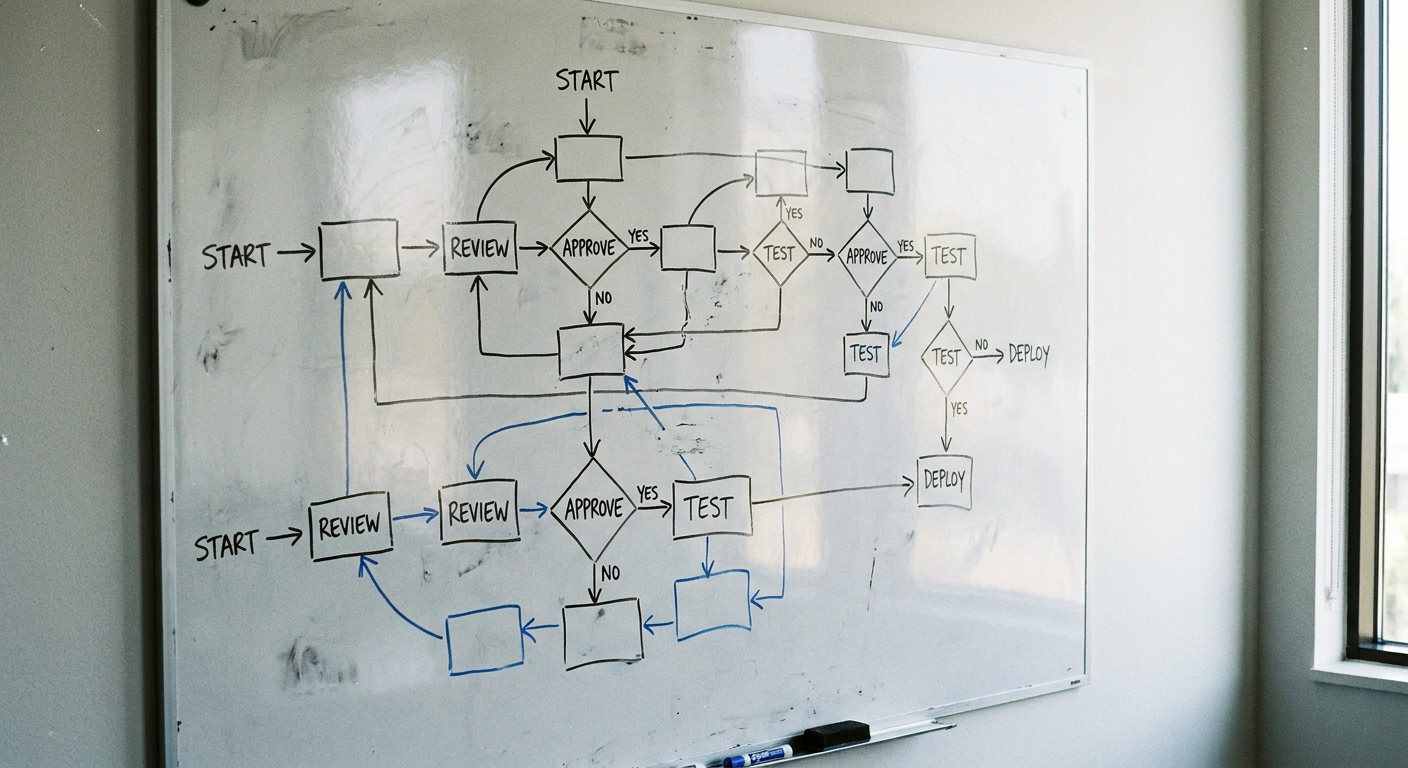
Verification works where the venue's withdrawal reference, the broadcast hash, the destination address, the amount net of fees, and the block timestamp align within the network's confirmation window. Where all five align, the transfer is documented as a record-backed finding end to end and the file says so explicitly.
Where four out of five align and the fifth drifts — a timestamp outside the confirmation window, an amount short of the expected delta after fees, an address that received the credit but cannot be tied to the venue's stated destination — the entry is held as partially verified, with the specific element that failed identified by name.
Unresolved Matters That Refuse To Resolve
Some hybrid transfers do not close cleanly even with the best available records. A venue may have purged its older withdrawal logs; a chain may have re-organised the relevant block; a destination address may have received many similar transactions in the period, making attribution probabilistic rather than definitive.
Each unresolved matter is named on its own row: missing venue reference, missing hash, address reuse on destination, timestamp drift beyond confirmation window, failed broadcast, re-broadcast on a new contract after a venue change. The reader sees what would need to arrive to close each gap, rather than a blanket admission that something is unclear.
Ownership, Control And Transfer Continuity
A hybrid transfer documented end to end supports control of the destination address from the moment of credit forward, subject to corroborating evidence on the destination side. It does not, on its own, establish legal ownership of the asset before the withdrawal, or after it; it supports the transfer event itself, which is the question hybrid reconstruction is built to answer.
The deliverable separates the transfer-continuity finding from the ownership and control questions that depend on it. Counterparties who need ownership confirmation are told what additional materials would actually support it, instead of being invited to read more into the transfer record than the records themselves contain.
How DC-Services Builds The Hybrid File
Reconstruction begins with indexing: every record receives a source, a date, a side (platform or chain), and a candidate counterpart on the other side. Cross-checks then run pair by pair, with matches recorded as record-backed and mismatches preserved with the specific point of divergence noted in plain words.
The output is structured for the reader the file is for. A counterparty reviewer sees the transfer summary, the underlying records, the classification of each, and the unresolved matters list, in that order, on adjacent pages. Nothing in the file requires the reviewer to trust a confident sentence; everything is traceable to a record.
Action Strategy Framework For Hybrid Cases
Where the hybrid transfer is record-backed end to end, the framework identifies follow-on steps that depend on it: registration of the destination wallet, refreshed control evidence, security records for the receiving device, transfer corroboration for any onward movement. The framework describes moves the client may make rather than recommending that they make them.
Where the transfer is partially verified or unresolved, the framework identifies the specific records that would upgrade the position: a re-issued venue confirmation, a refreshed control signature on the destination, a corroborating receipt from a downstream counterparty. The action is structured around closing named gaps, not around generic next steps.
Hybrid Transfer Verification Matrix
| Element | Platform-side record | Chain-side record | Verified when |
|---|---|---|---|
| Reference | Withdrawal log ID | Transaction hash | Both present and linked by venue |
| Amount | Gross requested | Credited net of fees | Delta matches expected network fee |
| Destination | Address as instructed | Address as credited | Strings match exactly |
| Timestamp | Venue acceptance time | Block confirmation time | Within confirmation window |
| Status | Processed | Confirmed | Both true on the same record |
Frequently asked questions
What makes a transfer hybrid for documentation purposes?
A hybrid transfer crosses the line between a custodial venue's internal records and a public ledger's on-chain entries. The reconstruction must link a platform-side reference to a transaction hash and a matching destination credit, in a single auditable chain. If any link is absent, the transfer is documented as partial.
Can a hybrid file confirm legal ownership of the destination wallet?
No. The file supports the transfer event and supports control of the destination from the moment of credit, where corroborating evidence exists. Legal ownership remains an off-chain question that requires separate materials and is referred to qualified counsel rather than inferred from the transfer record.
What if the venue does not publish the transaction hash?
The file records the withdrawal as initiated and attempts reconstruction from the destination address, amount and approximate timestamp. Where reconstruction yields a defensible match, the link is documented as reconstructed with the method preserved; where it does not, the unresolved status is recorded explicitly.
How are failed or re-broadcast withdrawals treated?
A failed withdrawal is preserved as a failure on the platform side, with no settlement claimed on the chain side. A re-broadcast that eventually settles is documented as a separate confirmed event, with the relationship to the failed original recorded so the audit trail remains intact.
Does DC-Services execute, recover or move the assets?
No. The work is documentation: classifying records, reconstructing the link, identifying unresolved matters, and producing a source-linked report. DC-Services does not hold custody, execute transfers, broker, advise, or guarantee recovery; the deliverable supports the position the client may then pursue.
A hybrid transfer is a single movement described by two different kinds of record. Reconstructed honestly, the file shows where the two meet, where they drift, and what would close the remaining gaps — which is more useful than a confident line that papers over the seam.
More in Digital Asset Records
- Custodial vs Non-Custodial Records for Asset Reconstruction
14 Jan 2026
- Reading Exchange Statements Without Inventing Facts
3 Feb 2026
- Self-Custody Wallets and the Evidence-of-Control Problem
18 Mar 2026
- Exchange Withdrawal Logs and the Bridge to Self-Custody
22 Apr 2026
- NFT Provenance: What the Token Record Actually Evidences
2 Apr 2026
- Timestamp Errors in Exchange and Blockchain Records
15 Apr 2026
- Partial Exports and Truncated Venue Statements
13 May 2026
- Device Records as Control Evidence in Digital Asset Documentation
22 Jul 2026
- MFA Events and Their Role in Wallet Control Review
5 Aug 2026