

Financial Documentation · 2 December 2026 · 9 min read
Remediation Letters and the Record of What Changed After Review
A remediation letter records what a counterparty asked for, what changed in the file, and what remained open. DC-SERVICES treats it as part of the documentation record, not as a marketing exit.
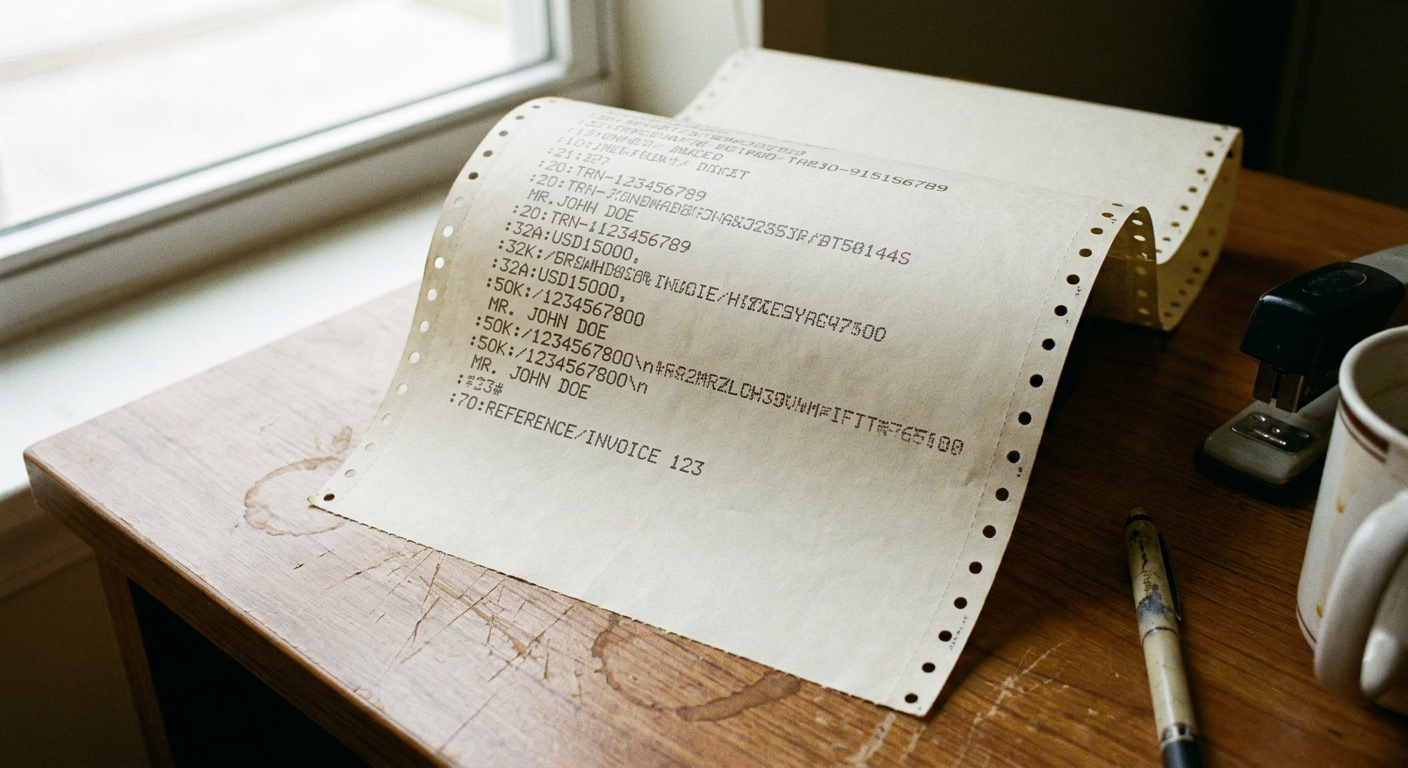
A counterparty that reviews a documentation file and asks for changes produces a record the engagement should preserve. DC-SERVICES treats the remediation letter — the written instrument that records what was asked, what was added, what was reclassified and what remained open — as part of the engagement file rather than as a closing communication that drops out of the archive once the file is re-delivered.
The letter records the counterparty's request in its own words. A paraphrase narrows the request and a paraphrase recorded as the request loses the precision of what was asked. The file preserves the original, dates it, and records the route by which it arrived so a later reviewer can read the request as the counterparty wrote it rather than as the firm chose to summarise it.
The firm's response is recorded against each item the counterparty raised. An item addressed by adding a record is recorded with the record. An item addressed by reclassifying a finding is recorded with the reclassification and the rule that produced it. An item the firm could not address — because the source does not support what was asked or because the work falls outside scope — is recorded as not addressed, with the reason.
Reclassifications carry their own discipline. A finding that moves from one strength category to another after remediation is moved under the same rules that produced the original classification, applied to the additional source the remediation introduced. The file records both the old and the new classification, the additional source, and the date, so the change is auditable rather than silent.

Open items survive the letter. A remediation that closes some items and leaves others open is recorded as a partial remediation, not as a clean exit. The file lists the remaining open items at the same position they affect, and the deliverable that goes back to the counterparty reflects them. A file that returns with the open items hidden is a file that misrepresents the state of the record.
Where the counterparty closes the review after remediation, the closure is recorded. The file does not infer closure from silence; it records the date of the counterparty's written confirmation, the version of the file the closure attached to, and the sealed-archive copy that preserves the closed state. A later reopening attaches to a new version rather than to the closed one.
Counterparty reviewers care about the remediation record because it tells them what the file looked like before and after the previous review. A file that arrives without that history asks the new reviewer to start from zero. A file that arrives with the history makes clear which items have already been tested and how, and lets the new reviewer focus on what genuinely remains open.
DC-SERVICES does not present remediation as proof of approval, does not record a closure the counterparty did not confirm, and does not delete superseded versions of the file from the sealed archive. The work is documentation: receive the request, record the response, reclassify under the rules, preserve the history, and deliver a file in which the remediation cycle is itself part of the source-linked record the reviewer can audit.
More in Financial Documentation
- What a Bank Reference Letter Actually Confirms
22 Jan 2026
- Reconstructing a Transaction Timeline From Mixed Sources
18 Feb 2026
- Transfer Notices and Statements: Reading Both Without Conflating Them
22 Mar 2026
- Cross-Border Remittance Records Without Losing the Chain
3 May 2026
- SWIFT Message Types: Reading MT103, MT202 and Their Footprint
15 Apr 2026
- ATM Withdrawal Records and Their Place in a Documentation File
8 Jun 2026
- In-Branch Meeting Evidence and the Documentation File
22 Jun 2026
- Structuring Open Banking Data Exports for a Documentation File
25 Jun 2026
- Contactless and Mobile Payment Records Inside a Source-of-Funds File
28 Jun 2026
- High-Street Branch Records for Clients Who Bank Without Apps
16 Jul 2026
- Chargebacks and Reversed Payments in the Documentation File
10 Jun 2026