

Financial Documentation · 22 June 2026 · 6 min read
In-Branch Meeting Evidence and the Documentation File
A face-to-face branch meeting produces appointment confirmations, advisor notes, and any documents signed on the day. The file preserves each element with its own basis.
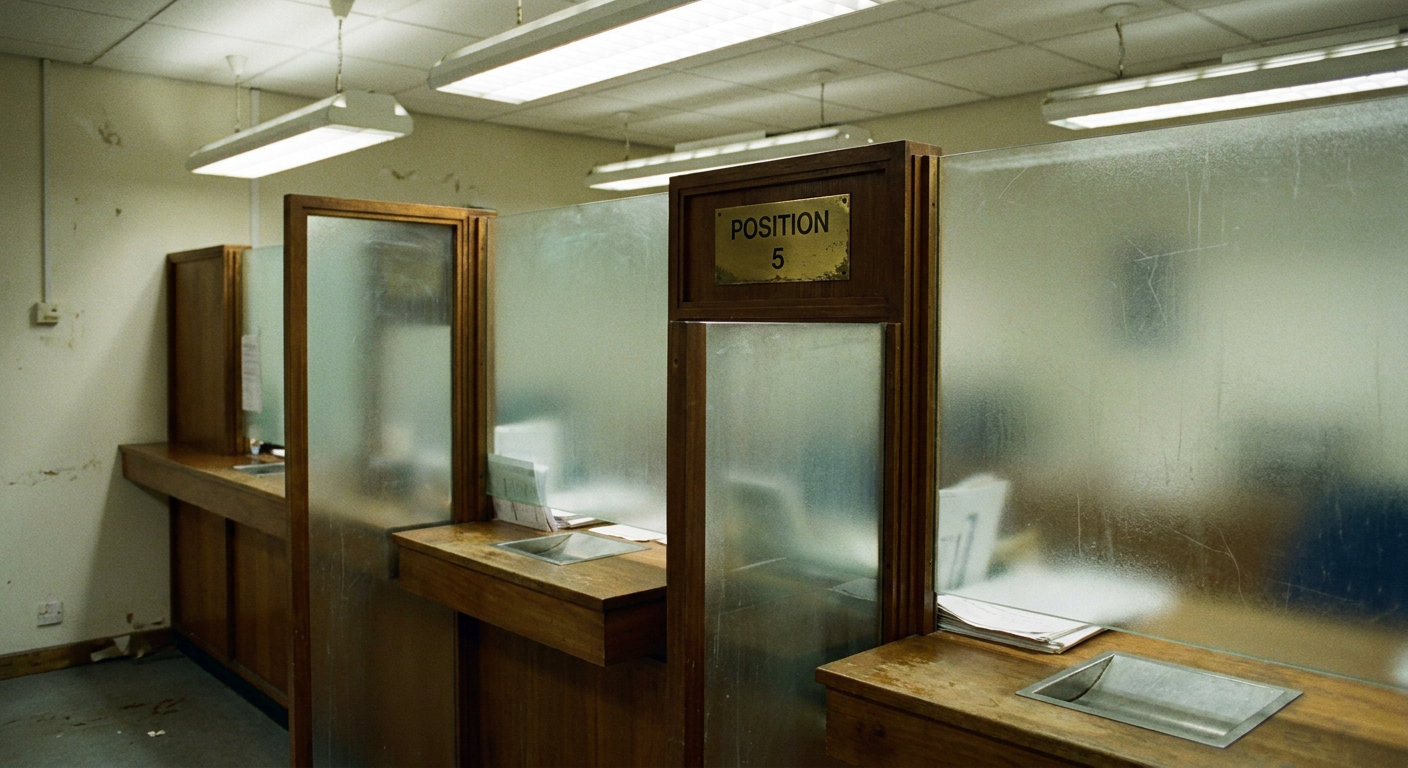
In-branch meetings with a bank or a regulated counterparty produce a small but important set of records that the documentation file should preserve in full. The appointment confirmation, the advisor's notes where shared, and any documents signed on the day each carry their own evidential weight and are recorded separately rather than merged into a single summary.
The appointment confirmation is the first record. It names the customer, the branch, the date and time, and usually the staff member or the team the meeting was booked with. The confirmation is preserved in its original form so the meeting can be evidenced as having been scheduled rather than reconstructed from later memory.
Pre-meeting correspondence is filed against the appointment. Where the bank requested documents in advance, the request and the customer's response are filed together so that the meeting begins, in the record, with a known state of the file rather than from an empty starting point on the day itself.
On-the-day documents are recorded at the point of signing. A form signed in branch, a receipt for documents handed over, or a printed acknowledgement of identification checks completed are filed with the date stamp and the staff member's name where shown, rather than being aggregated into a single envelope after the fact.
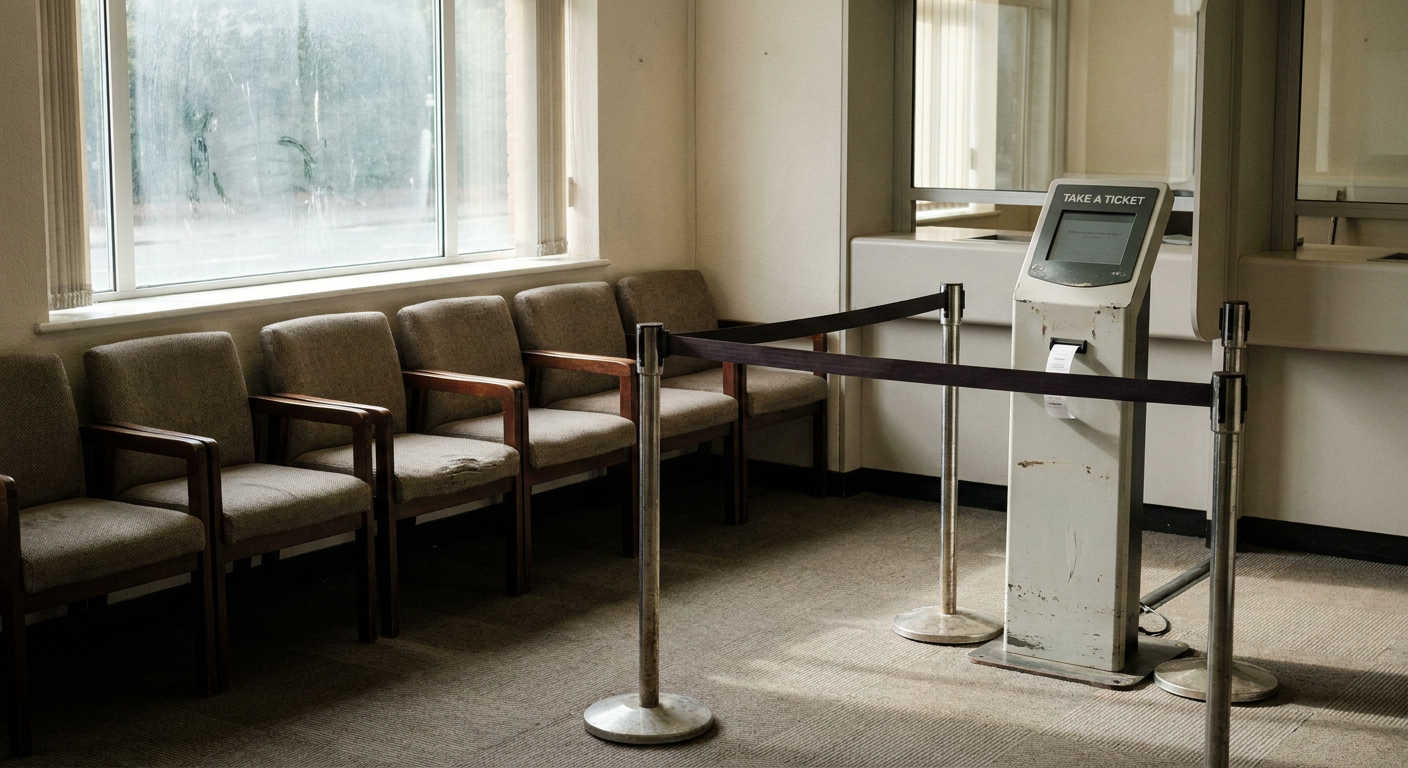
Where the bank provides notes of the meeting, the notes are filed as the bank's record, clearly attributed. Where the customer prepares their own note of the meeting, that note is filed separately and labelled as customer-prepared, so the two perspectives can be read against each other rather than treated as a single agreed account.
Follow-up actions are tracked against the meeting. A document the bank promised to send, an internal review the bank committed to undertake, or a further appointment scheduled at the end of the meeting are each filed against the original meeting record so the meeting becomes a node in a chain rather than an isolated event.
Where the meeting did not resolve the matter, the file records the unresolved items, the bank's stated next step, and the customer's stated next step. A meeting that ended without an outcome is itself information, and the file records the position as at the end of the meeting rather than asserting a conclusion that was not reached.
Our scope is to preserve the branch-meeting record the client provides or authorises us to compile. We do not attend bank meetings on the client's behalf, do not represent the client in any complaint about a meeting's conduct, and do not opine on the bank's decisions taken at or after the meeting itself.
More in Financial Documentation
- What a Bank Reference Letter Actually Confirms
22 Jan 2026
- Reconstructing a Transaction Timeline From Mixed Sources
18 Feb 2026
- Transfer Notices and Statements: Reading Both Without Conflating Them
22 Mar 2026
- Cross-Border Remittance Records Without Losing the Chain
3 May 2026
- SWIFT Message Types: Reading MT103, MT202 and Their Footprint
15 Apr 2026
- ATM Withdrawal Records and Their Place in a Documentation File
8 Jun 2026
- Structuring Open Banking Data Exports for a Documentation File
25 Jun 2026
- Contactless and Mobile Payment Records Inside a Source-of-Funds File
28 Jun 2026
- High-Street Branch Records for Clients Who Bank Without Apps
16 Jul 2026
- Chargebacks and Reversed Payments in the Documentation File
10 Jun 2026
- Remediation Letters and the Record of What Changed After Review
2 Dec 2026