

Financial Documentation · 16 July 2026 · 6 min read
High-Street Branch Records for Clients Who Bank Without Apps
Clients who rely on branch and paper records produce a different evidence base than app-first customers. The file structures the chain around the channels the client actually uses.
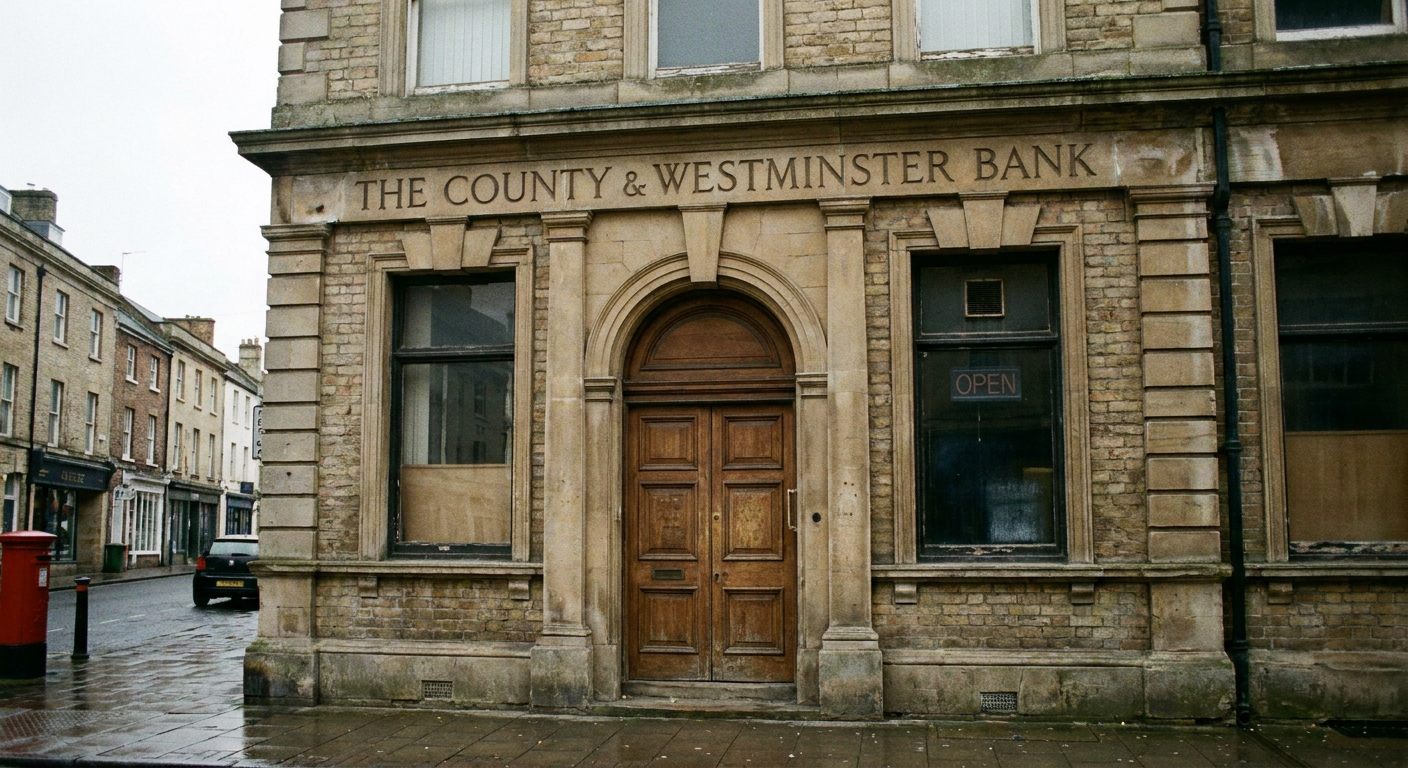
Clients who continue to bank primarily through a high-street branch and through posted paper statements produce a different evidence base than app-first customers, and the documentation file structures the chain around the channels the client actually uses rather than imposing a digital-first shape that the underlying records do not support.
Posted paper statements arrive on a monthly or quarterly cadence and are the primary running record. The file records the statement series with the issue dates and the receipt dates, since postal delay can create gaps between when a transaction is recorded and when the customer receives the evidence of it on their statement.
Branch counter transactions are evidenced by receipts and stamped paying-in slips. The file preserves the receipts at the page-and-date they correspond to, and where a receipt is missing the file records the bank's branch transaction reference and the customer's stated recollection of the visit rather than treating the absence of the receipt as silence.
Cheque records remain meaningful for clients who continue to write cheques. The file pairs each cheque entry on the statement with the cheque-book stub where the client retained one, and any cheque on the statement that the client cannot match to a stub or recipient is recorded as an open item for clarification rather than silently aggregated.
Standing orders and direct debits set up in branch are documented from the mandate forms the bank issued at the time of setup. Where the mandate forms have been lost over the years, the file relies on the bank's current confirmation of the standing arrangements and notes the limitation that the original instruction is no longer in the file.
Letters from the bank are filed as correspondence rather than as transaction records. A bank letter about an account closure, a charge structure change, or an apology for a service issue carries different evidential weight than a statement entry, and the file separates the categories so a reviewer can read either chain without conflation.
Where the client genuinely cannot produce a digital channel, the engagement does not infer one. A pattern of branch-only behaviour, paper-only statements, and cheque-based payments is recorded as the client's actual banking shape, and the file does not represent the client as engaged with mobile or online channels they do not use.
Our scope is to structure the channels the client actually uses. We do not enrol the client in digital banking, do not migrate paper records into an open-banking feed, and do not represent the client to the bank in any service complaint. The deliverable is a file that matches the client's real banking life.
More in Financial Documentation
- What a Bank Reference Letter Actually Confirms
22 Jan 2026
- Reconstructing a Transaction Timeline From Mixed Sources
18 Feb 2026
- Transfer Notices and Statements: Reading Both Without Conflating Them
22 Mar 2026
- Cross-Border Remittance Records Without Losing the Chain
3 May 2026
- SWIFT Message Types: Reading MT103, MT202 and Their Footprint
15 Apr 2026
- ATM Withdrawal Records and Their Place in a Documentation File
8 Jun 2026
- In-Branch Meeting Evidence and the Documentation File
22 Jun 2026
- Structuring Open Banking Data Exports for a Documentation File
25 Jun 2026
- Contactless and Mobile Payment Records Inside a Source-of-Funds File
28 Jun 2026
- Chargebacks and Reversed Payments in the Documentation File
10 Jun 2026
- Remediation Letters and the Record of What Changed After Review
2 Dec 2026