

Financial Documentation · 8 June 2026 · 6 min read
ATM Withdrawal Records and Their Place in a Documentation File
ATM withdrawals look uniform on a statement line but carry device-level data, currency conversion details, and counterparty network identifiers that the file should preserve.
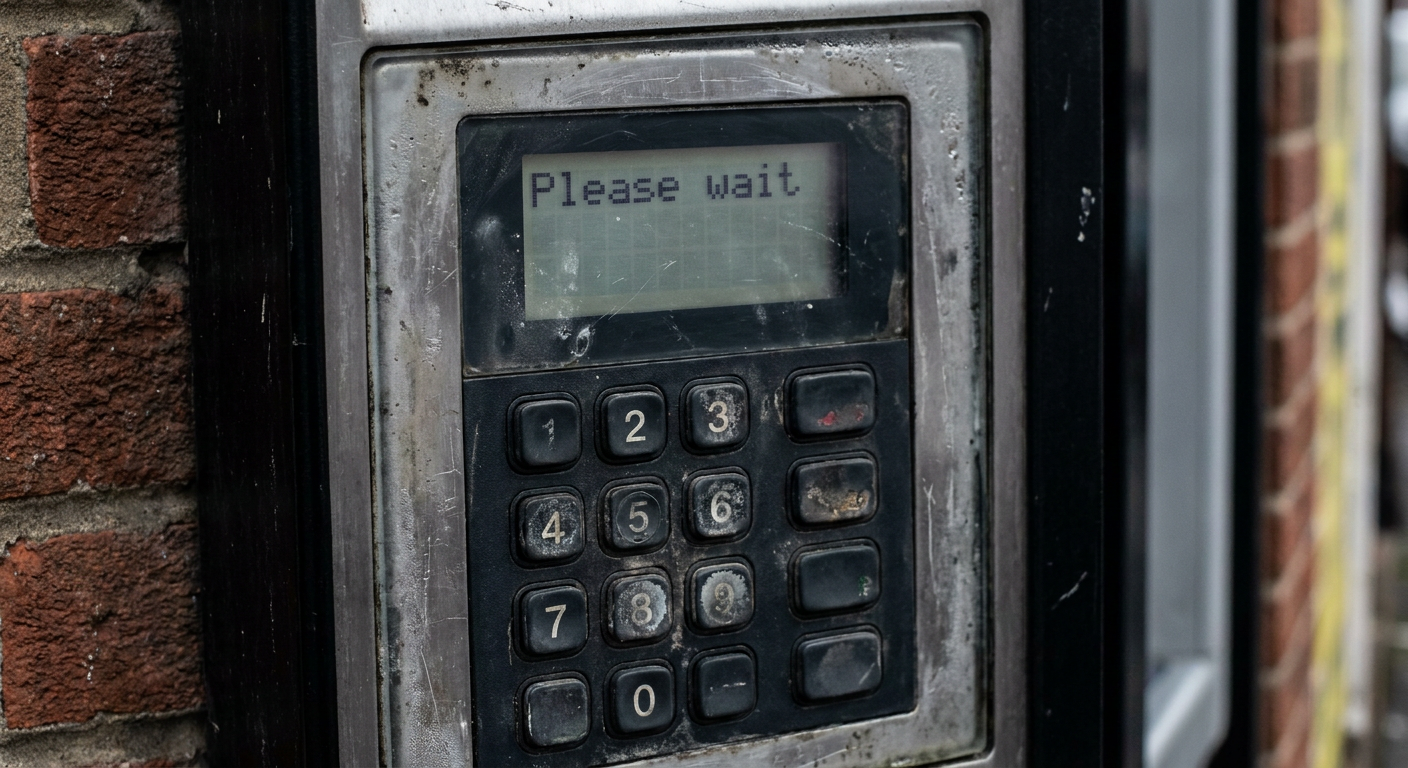
ATM withdrawals appear on a bank statement as a single short line, usually with a date, a location string, and an amount. The line conceals a structured event with device identifiers, network routing, currency conversion, and acquirer fees, each of which can be relevant to a documentation file later.
The location string follows the acquirer's naming convention, not the cardholder's. A withdrawal at a corner shop ATM may appear under the network operator's address, not the shop's, and a documentation file that treats the statement line as the location of the customer will record a place the customer was never in.
Network routing matters when the card and the ATM belong to different schemes. The interchange path determines which intermediaries handled the transaction, which fees were applied, and which dispute route is available if the cardholder later challenges the entry on the statement.
Currency conversion at the ATM is a separate decision from settlement conversion at the issuing bank. Dynamic currency conversion offered at the device produces a different cardholder cost than the issuer's standard rate, and the file records which path was taken when the evidence supports it.

Device-level evidence sits outside the bank statement. CCTV stills, ATM journal extracts, and acquirer logs are held by the operator under their own retention rules. The documentation file records whether such evidence was requested, on what basis, and what the operator's response was at the time.
Cash withdrawn at an ATM enters the physical world and leaves no further bank trail until it is re-deposited. The file does not invent a downstream chain. It records the withdrawal, the amount, and the absence of corroborating records beyond the customer's own narrative of subsequent use.
Patterns of withdrawal can themselves be evidence. A regular monthly withdrawal pattern, a sudden break in pattern, or a cluster of withdrawals in a short window are recorded as observations against the statement series, not as conclusions about intent that the records cannot support.
Our scope is structuring the records the client provides. We do not request acquirer logs without written authority, do not adjudicate disputes between cardholder and bank, and do not opine on the lawfulness of any cash use after withdrawal. The deliverable is a documented file describing what the statement and supporting records actually support.
More in Financial Documentation
- What a Bank Reference Letter Actually Confirms
22 Jan 2026
- Reconstructing a Transaction Timeline From Mixed Sources
18 Feb 2026
- Transfer Notices and Statements: Reading Both Without Conflating Them
22 Mar 2026
- Cross-Border Remittance Records Without Losing the Chain
3 May 2026
- SWIFT Message Types: Reading MT103, MT202 and Their Footprint
15 Apr 2026
- In-Branch Meeting Evidence and the Documentation File
22 Jun 2026
- Structuring Open Banking Data Exports for a Documentation File
25 Jun 2026
- Contactless and Mobile Payment Records Inside a Source-of-Funds File
28 Jun 2026
- High-Street Branch Records for Clients Who Bank Without Apps
16 Jul 2026
- Chargebacks and Reversed Payments in the Documentation File
10 Jun 2026
- Remediation Letters and the Record of What Changed After Review
2 Dec 2026