

Financial Documentation · 28 June 2026 · 6 min read
Contactless and Mobile Payment Records Inside a Source-of-Funds File
Contactless and wallet payments produce both a card-network entry and a device-level token record. The file links the two rather than relying on the statement line alone.
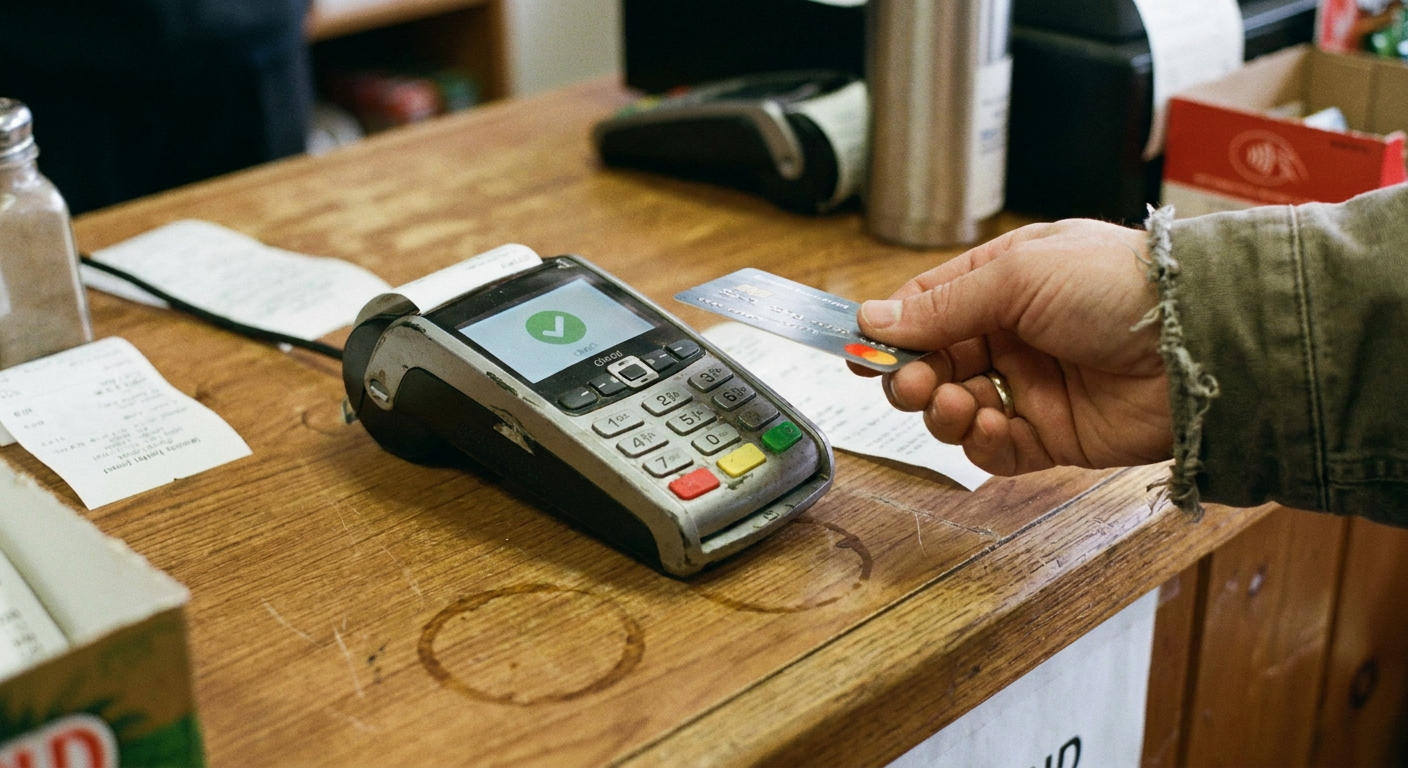
Contactless and mobile wallet payments appear on a bank statement as a single short line in the same way a chip-and-PIN purchase does, but the underlying transaction carries an additional layer of device-level evidence that the documentation file preserves rather than discarding in favour of the simpler statement view.
The card-network entry records the merchant, the amount, and the authorisation reference. The device-level record, held by the wallet provider, records the token used, the device identifier, and the cryptogram that authorised the spend, and the file notes both layers so the link between the device and the statement line can be evidenced if challenged.
Wallet provider access requires the customer's authorisation. The file records the request route, the data delivered, and the retention period the provider applied to the requested records, so that a later question about the device-level evidence can be answered against a documented basis rather than informal recollection of what the wallet showed at the time.
Tokenisation means the card number on the statement is not the number stored on the device. The file records the relationship between the stored token and the underlying card so a reviewer can follow the chain from the device through the network to the issuing bank without having to reconstruct the link from scratch.
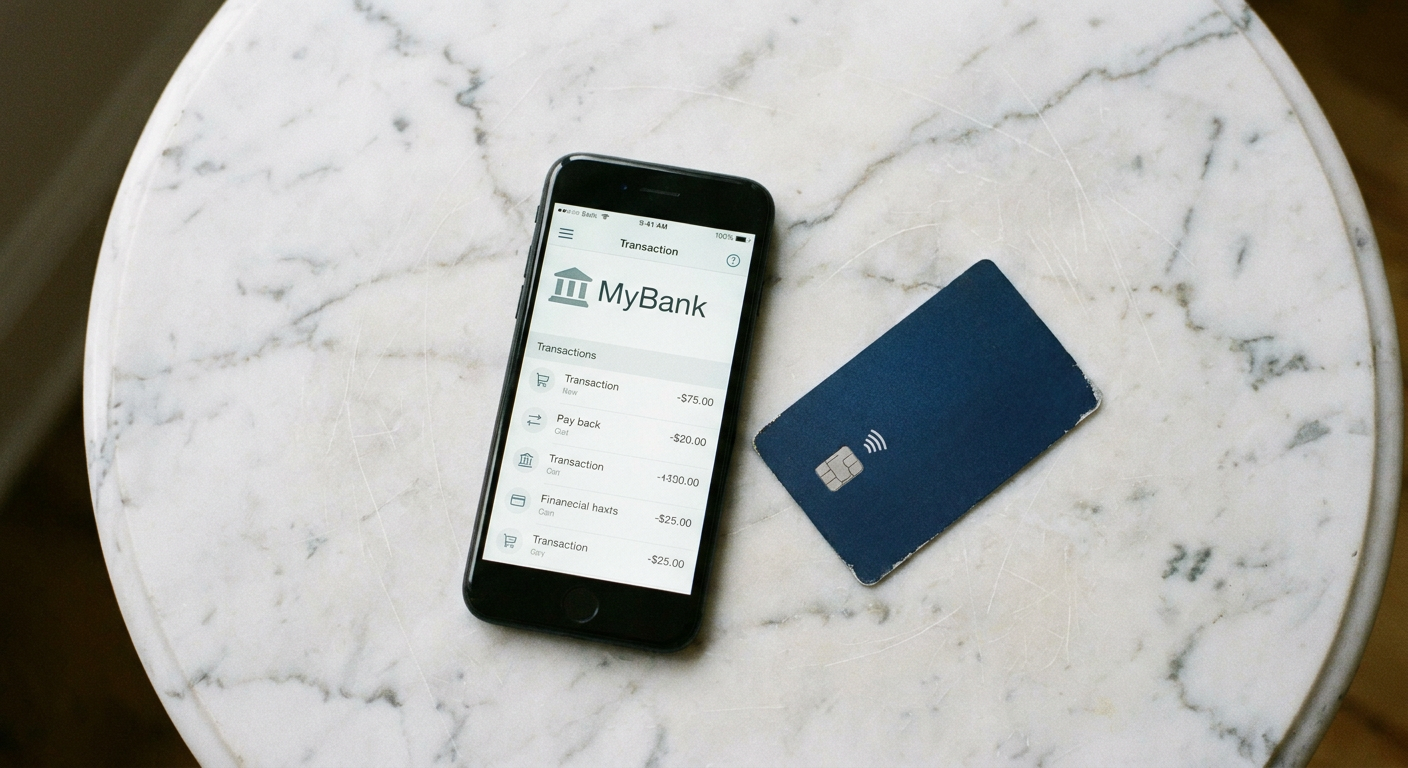
Spend patterns specific to contactless and wallet use deserve their own treatment. Small repeated transit fares, low-value contactless purchases under a national cap, and wallet-only merchants are recorded with the category that explains the pattern, rather than aggregated with chip-and-PIN spend that follows different consumer logic.
Where a wallet payment is later reversed or disputed, the device-level record may carry context the bank statement does not. The file records the original entry, the reversal, and any evidence the wallet provider supplied as part of the dispute process, so the full chain is visible rather than just the net outcome on the account.
Cross-border contactless purchases attract the same FX and fee treatment as other card transactions, and the file records the rate applied alongside the device-level record where the wallet supplies that information separately from the issuer's statement, so cross-border conversions can be reconciled against two independent sources.
Our scope is to structure records the client provides or authorises us to request. We do not extract data from devices, do not bypass wallet authentication, and do not opine on the appropriateness of any purchase pattern. The deliverable is a documented payment trail across the card network and the device layer.
More in Financial Documentation
- What a Bank Reference Letter Actually Confirms
22 Jan 2026
- Reconstructing a Transaction Timeline From Mixed Sources
18 Feb 2026
- Transfer Notices and Statements: Reading Both Without Conflating Them
22 Mar 2026
- Cross-Border Remittance Records Without Losing the Chain
3 May 2026
- SWIFT Message Types: Reading MT103, MT202 and Their Footprint
15 Apr 2026
- ATM Withdrawal Records and Their Place in a Documentation File
8 Jun 2026
- In-Branch Meeting Evidence and the Documentation File
22 Jun 2026
- Structuring Open Banking Data Exports for a Documentation File
25 Jun 2026
- High-Street Branch Records for Clients Who Bank Without Apps
16 Jul 2026
- Chargebacks and Reversed Payments in the Documentation File
10 Jun 2026
- Remediation Letters and the Record of What Changed After Review
2 Dec 2026