

Record Integrity · 2 September 2026 · 9 min read
Evidence Strength Scoring Inside a Documentation File
Not every record carries the same weight. DC-SERVICES applies a documented strength scale so reviewers can read the file at the source's actual support, not its apparent confidence.

A documentation file that treats every record as equally weighted misleads the reviewer who reads it. A bank-issued statement and a user-supplied screenshot of the same balance describe the same number with very different evidential support, and a file that does not say so invites the reviewer to assume the weaker source is as strong as the stronger one. DC-SERVICES applies a documented strength scale to every record entering the file.
The scale is structural rather than rhetorical. It is recorded in the engagement file, applied consistently across record types, and shown to the reader. A reviewer who disagrees with a particular classification can see the rule that produced it and challenge the rule rather than the individual finding. Transparency of method is what makes the scoring useful rather than decorative, and prevents the scale from drifting into something the file applies inconsistently.
At the top of the scale are records produced by the venue or institution on its own letterhead, in its own format, and verifiable by direct request. Account statements, signed reference letters and venue-issued confirmations sit here. These records are not infallible, but their provenance is direct and the file records both the document and the route by which it was obtained so the reviewer can request the same record on the same route.
Below that sit corroborated records — items where the primary record is supported by a secondary source that arrived through a different channel. A bank transfer corroborated by counterparty correspondence, or an exchange withdrawal corroborated by an on-chain entry, each enter the file as record-backed findings rather than single-source assertions, and the corroboration is recorded with both sources rather than referenced from one direction only.
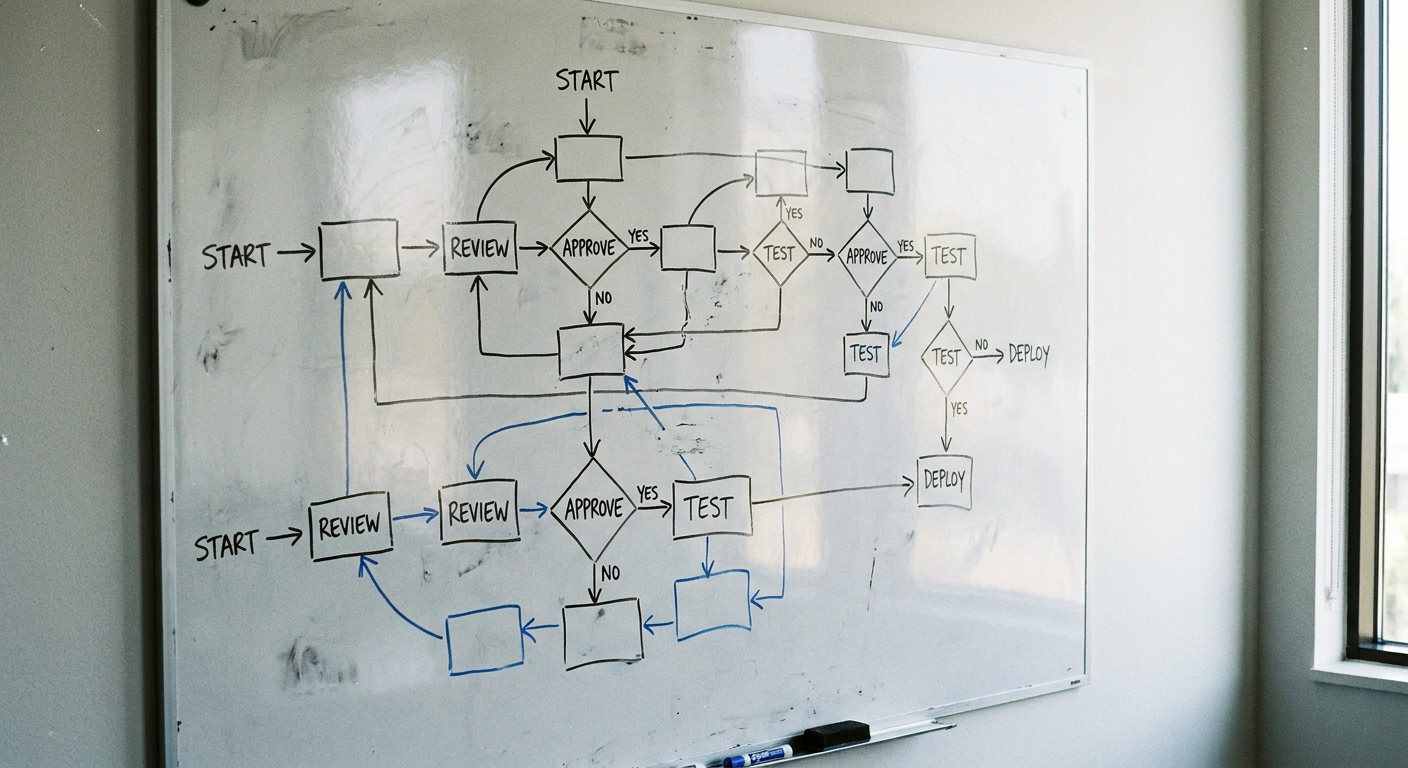
Supporting context covers records the file uses to explain or frame findings without elevating them to evidence. Screenshots, browser-displayed balances, third-party labels and personal notes sit here. They are preserved with provenance, paired with source where possible, and explicitly marked so that no reviewer mistakes the framing for the finding or treats the supporting layer as carrying the weight the primary record was supposed to provide.
Unsupported claims are the lowest category and the file does not omit them. A client statement about an event the records do not corroborate is recorded as a claim, with its date and its source, alongside a note that no corroborating record was obtained. The presence of the claim is data; its weight is not allowed to inflate by silence, and the reviewer can see which findings rest on records and which rest only on assertion.
Unresolved matters cut across the scale. A missing month of records, an unanswered request for confirmation, or a contradiction between sources are documented as open items at the position they affect, rather than as a separate appendix the reviewer might miss. The scoring is the file's main navigation, and gaps inside it are part of the navigation rather than hidden behind a confident summary at the top.
DC-SERVICES does not adjudicate findings, does not assign legal weight, and does not present the strength scale as a regulatory standard. The work is documentation: apply the scale consistently, record what each record is and what it supports, identify gaps without filling them, and deliver a source-linked file in which the evidential hierarchy is visible rather than collapsed into one apparent level of confidence.
More in Record Integrity
- Chain of Custody for Mixed Physical and Digital Files
9 Jan 2026
- Why Document Hashing Matters in a Sealed Archive
12 Feb 2026
- The Rejection Register and Conflicts Register as Integrity Tools
2 Apr 2026
- Timestamping, Trusted Time Sources, and the Audit Trail
28 May 2026
- Version Control for Amended Documents Inside a Sealed File
9 May 2026
- Treating Video Meeting Confirmations as Part of the Record Set
15 Jun 2026
- How Phone Conversations Are Treated Inside the Record File
18 Jun 2026
- Process Mapping for Record Handovers Between Engagement Stages
5 Jul 2026
- Contradictory Records in Digital Asset Documentation Files
1 Apr 2026
- Screenshots as Supporting Context Rather Than Source Evidence
24 Jun 2026
- AI-Supported Review and the Human Verification Step
19 Aug 2026
- The Rejection Register as a Visible Governance Artefact
18 Nov 2026