

Record Integrity · 9 January 2026 · 10 min read
Chain of Custody for Mixed Physical and Digital Files
Paper and digital records share an engagement and rarely share a process. DC-Services keeps both auditable end to end.
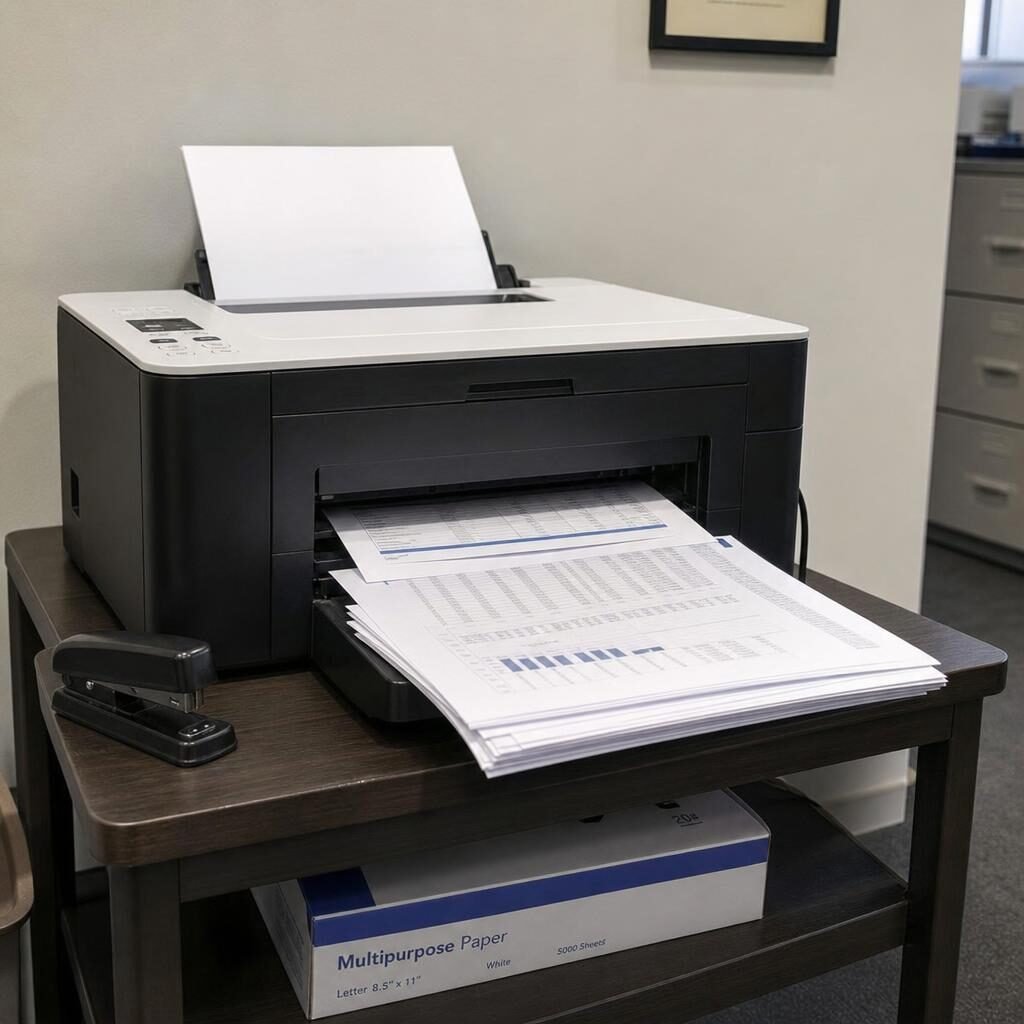
Most engagements arrive as a mixture: original paper, scanned paper, native digital files, exported reports and screenshots produced halfway through. Chain of custody breaks at the seams between these formats more often than within any single one of them, and the breaks are usually invisible until somebody asks where a particular document came from. DC-Services treats the seams as the work, not as housekeeping.
Receipts At The Door
Every item entering the file is logged at receipt with its source, the form it arrived in, the person who handed it over and the date. Paper arriving by courier is treated the same way as a PDF arriving by email — the medium does not exempt anything from being recorded on the way in.
Items without a clear source are recorded with their unknown origin noted, rather than back-attributed to whoever seems likeliest. A guess at provenance contaminates the rest of the chain it joins.
Scanning Without Losing The Original
Paper is often scanned for working convenience, and the original is then misplaced or quietly discarded. The scan is useful; it is also a derivative, and the chain of custody cannot run through a derivative without the original being accounted for somewhere.
Originals are preserved separately and indexed against their scans. The scan inherits a checksum and a reference back to its physical source. If the original is later destroyed under a retention policy, the destruction is itself a recorded event, not a quiet absence.
Digital Originals And Working Copies
Native digital files have the opposite problem: copies proliferate, and the version anyone is looking at may not be the one originally received. Without a discipline that distinguishes the original from the working copies, edits made in good faith can travel back into the file unannounced.
Original digital files are sealed in an immutable archive on receipt. Working copies are pulled from the archive and labelled as such. Edits live on the working copy; the archive copy never changes, and the index records both.
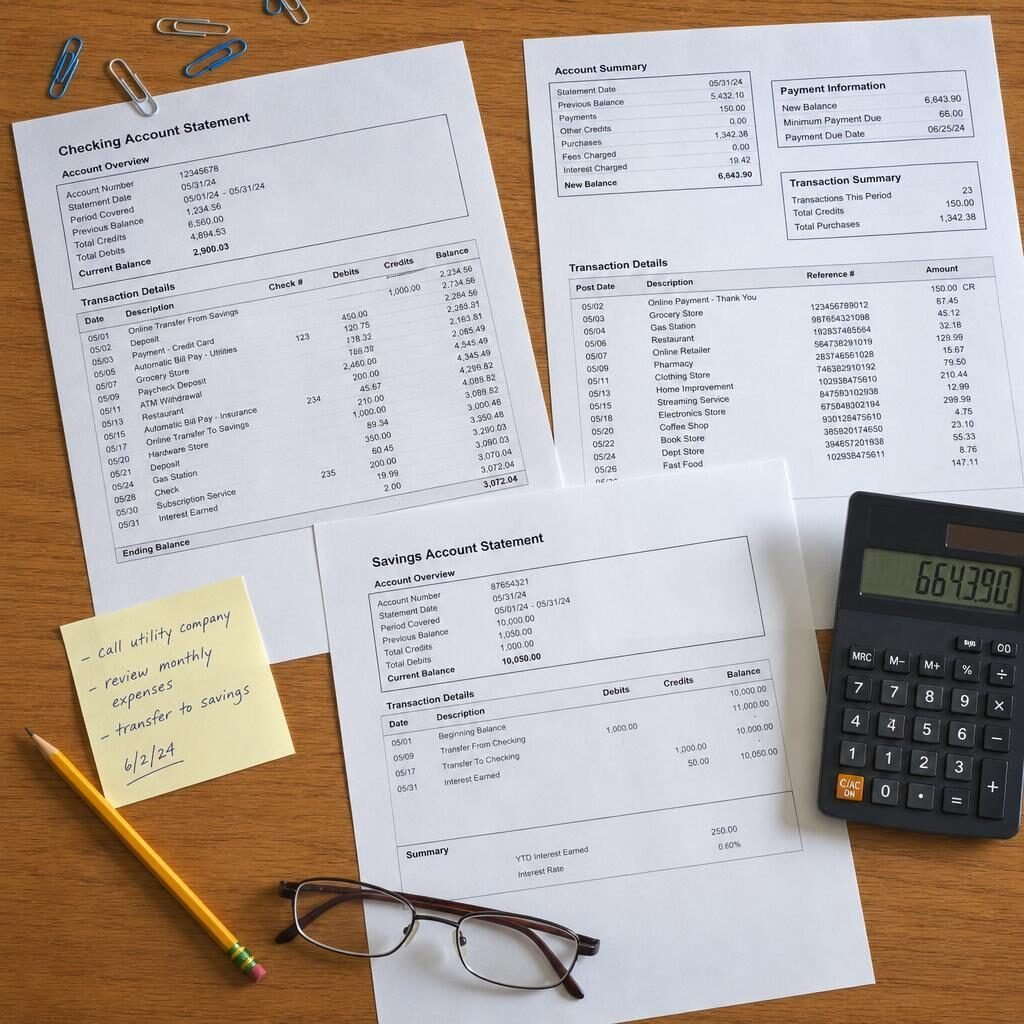
Hand-Offs Between People
Chains break at hand-offs. A file that travels from one team member to another without a logged transfer becomes a file whose location at any given moment is a matter of recollection rather than record. Recollection is not a substitute, especially years later.
Every hand-off is logged with the people involved, the time, and the items transferred. Internal transfers are no exception. The log is short and boring, which is the point — it works because it is consistent rather than because it is detailed.
Production On Request
The test of a chain of custody is not how it looks on a normal day. The test is whether a specific document can be produced on request with its provenance, version and handling history intact, on a day when somebody is asking.
The file produces, on request, the document, its source, its hash, its handling history and its current physical or digital location. If any of those is missing for a particular item, the production states what is missing rather than producing a partial answer that looks complete.
Chain-of-Custody Operational Checklist
- Log every incoming item at the door with source, form and handler.
- Preserve paper originals separately from their working scans.
- Seal native digital files into an immutable archive on receipt.
- Label working copies as working copies, every time.
- Record every hand-off, internal transfers included.
- Index every item with a hash and a chain reference.
- Document destruction events explicitly when retention expires.
Frequently asked questions
How are scanned paper documents treated for custody purposes?
The scan is recorded as a derivative of the physical original. The original is preserved and indexed separately. The chain runs through the original and references the scan as a working representation, never the other way round.
What happens to a digital file once it is received?
It is sealed into an immutable archive with a content hash. Working copies are produced from the archive and clearly labelled. Any edits live on the working copy; the archive version is the canonical original.
Are internal hand-offs really logged?
Yes. A chain that records external transfers but treats internal ones as informal stops being a chain. Every transfer is logged, regardless of how routine, because the discipline only works when it is consistent.
What if a document's source is unknown?
It is logged as unknown source. Guessing the provenance contaminates everything that joins the chain afterwards. An unknown but disclosed source is recoverable; an asserted but wrong source is not.
How does production on request work in practice?
The file produces the document together with its source, hash, handling log and current location. Where any of those is missing for a specific item, the production states that explicitly rather than presenting a partial answer as complete.
Mixed formats survive scrutiny when the seams between them are treated as the real work. The chain is then auditable in a useful sense — by document, on demand, with the history attached.
More in Record Integrity
- Why Document Hashing Matters in a Sealed Archive
12 Feb 2026
- The Rejection Register and Conflicts Register as Integrity Tools
2 Apr 2026
- Timestamping, Trusted Time Sources, and the Audit Trail
28 May 2026
- Version Control for Amended Documents Inside a Sealed File
9 May 2026
- Treating Video Meeting Confirmations as Part of the Record Set
15 Jun 2026
- How Phone Conversations Are Treated Inside the Record File
18 Jun 2026
- Process Mapping for Record Handovers Between Engagement Stages
5 Jul 2026
- Contradictory Records in Digital Asset Documentation Files
1 Apr 2026
- Screenshots as Supporting Context Rather Than Source Evidence
24 Jun 2026
- AI-Supported Review and the Human Verification Step
19 Aug 2026
- Evidence Strength Scoring Inside a Documentation File
2 Sept 2026
- The Rejection Register as a Visible Governance Artefact
18 Nov 2026